
My Rotary Clothesline Is Hard to Wind
Quick Answer: If your rotary clothesline is hard to wind, the most common causes are internal wear in the winding mechanism, lack of lubrication, corrosion, or long-term overloading.
At The Clothesline Store, customers often notice this issue gradually. A rotary hoist that becomes harder to raise over time is usually showing early signs of internal wear.

This guide explains why rotary clotheslines become difficult to wind, what you can safely check yourself, and when replacing the clothesline is the smarter long-term option.
Important to know: With older rotary clotheslines, spare parts may no longer be available due to age. When this happens, replacing the clothesline is usually the most reliable outcome. While The Clothesline Store does not sell spare parts, we’re always happy to help you choose a suitable replacement if needed.
Common Reasons a Rotary Clothesline Is Hard to Wind
Worn Internal Gears
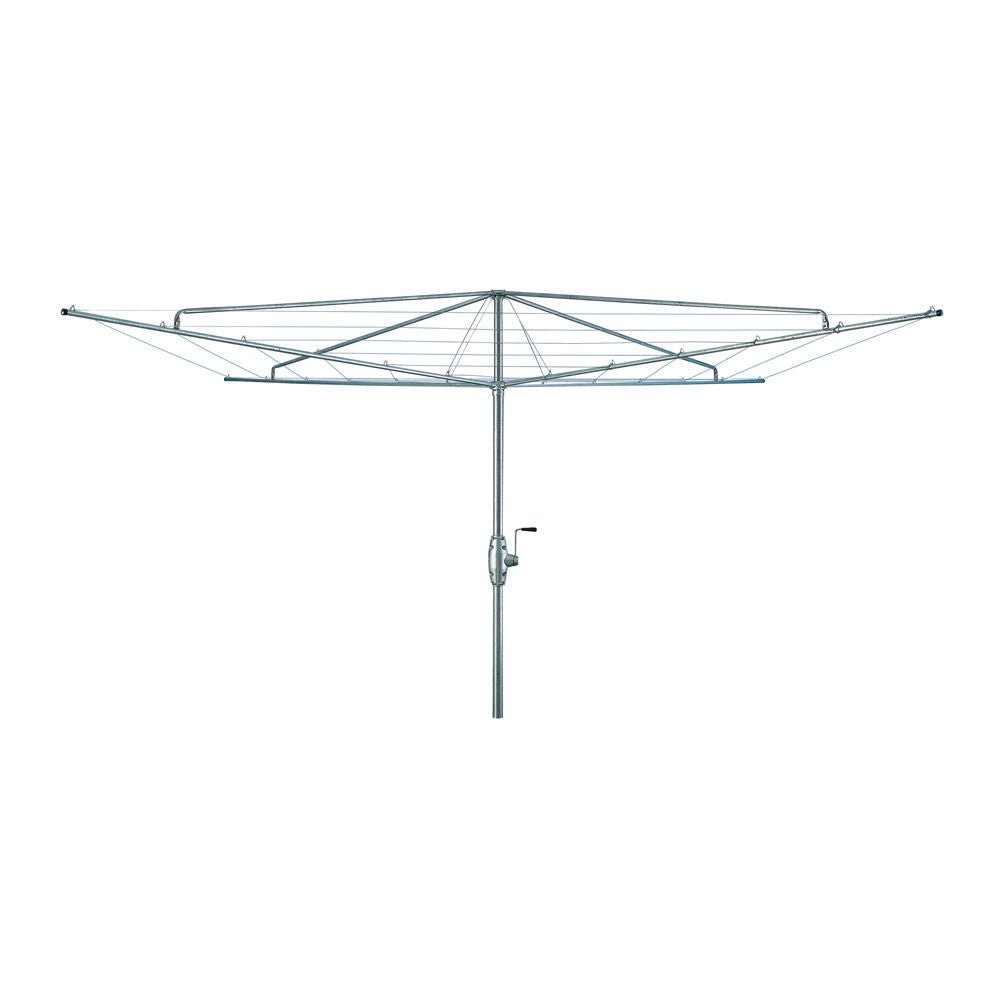
The winding mechanism contains gears that lift the clothesline arms. Over time, these gears can wear down, increasing resistance and making the handle harder to turn.
Lack of Lubrication
Dust, moisture, and age can dry out internal components. Without lubrication, friction increases and winding becomes stiff or uneven.

Corrosion Inside the Winder
In older rotary clotheslines, moisture can enter the winder casing and cause internal corrosion, significantly increasing resistance.
Overloading or Uneven Weight
Consistently hanging heavy loads or loading one side more than the other places extra strain on the winding mechanism.
What You Can Check Safely
-
Lower the clothesline fully and remove all washing
-
Wind the handle slowly and note any grinding or stiffness
-
Check the winder casing for cracks or corrosion
-
Ensure washing is spread evenly across the line space
Can a Hard-to-Wind Rotary Clothesline Be Fixed?
In some cases, cleaning and lubricating the winding mechanism can improve operation. Certain Hills and Austral rotary hoists also have compatible replacement winding mechanisms available.

However, if winding continues to require excessive force, this usually indicates deeper internal wear that will worsen over time.
When to Replace Instead of Repair
-
The handle requires significant effort to turn
-
Winding feels rough, jerky, or inconsistent
-
The clothesline is more than 15–20 years old
-
Multiple mechanical issues are present
Compare Fixed Rotary Clotheslines
Choosing a Replacement Rotary Clothesline
Modern rotary clotheslines are designed with smoother winding mechanisms, improved corrosion resistance, and stronger construction.
Shop Fixed Rotary Clothes Hoists
Frequently Asked Questions
Why is my rotary clothesline getting harder to wind?
This usually happens due to internal wear, corrosion, or a lack of lubrication inside the winding mechanism.
Can lubrication fix a stiff rotary clothesline?
Lubrication may help temporarily, but ongoing stiffness often indicates worn internal components that need repair or replacement.
Is a hard-to-wind rotary clothesline unsafe?
If excessive force is required to operate the clothesline, components may fail unexpectedly, making replacement the safer option.
Does overloading cause winding problems?
Yes. Repeated heavy or uneven loads place extra strain on the winding mechanism and can accelerate internal wear.
Final Thoughts
A rotary clothesline that is hard to wind is often an early warning sign of internal wear. While minor improvements may be possible, replacing an ageing hoist usually provides smoother operation, better safety, and long-term reliability.
Upgrade Your Rotary Clothesline Today